
Sonagi6 Origins
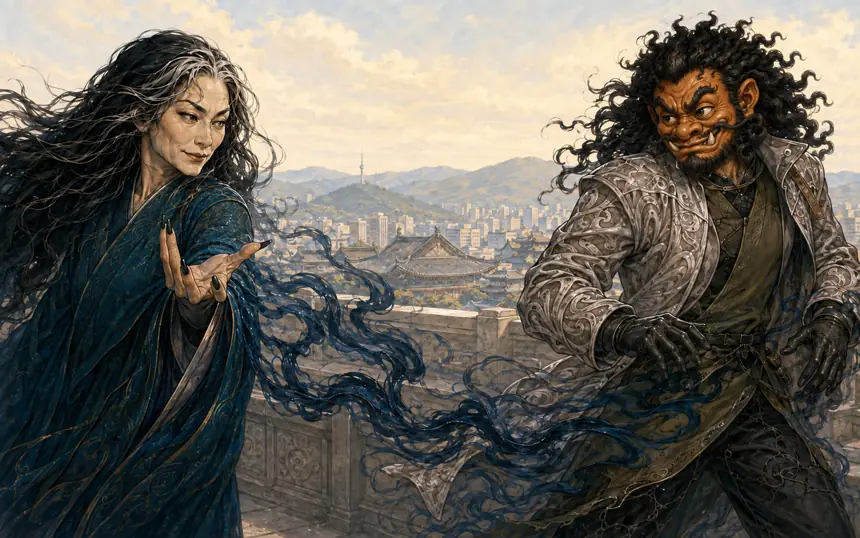
Read-aloud picture books. Each of the six girls meets the demon in her own city, with her own guardian, in twenty-two full-color spreads.
See the six coversPublishing · Software · Education · Media · Agency Support
Two series, and a studio behind them. Start wherever you are.
For a young reader
One story world, five rungs. Choose the age you are reading for.
On sale now
Twenty-three guided keepsakes. Choose who the book is for.
The story world
It starts as a picture book and ends as a literary novel, with the same six people in it the whole way.
Six girls, five rungs, thirty-six volumes. Every rung is written for the age the reader has actually reached, and the argument underneath never changes: what it costs to be counted, and what a record protects and what it exposes. None of it is a spin-off. It is one story told five times over, at five depths, and it gets harder as the reader gets older.
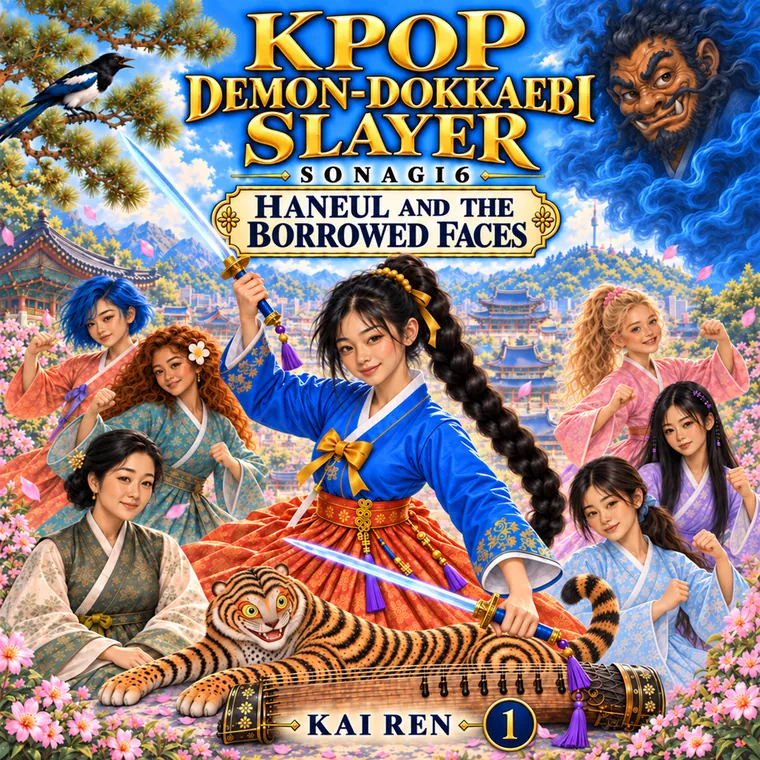




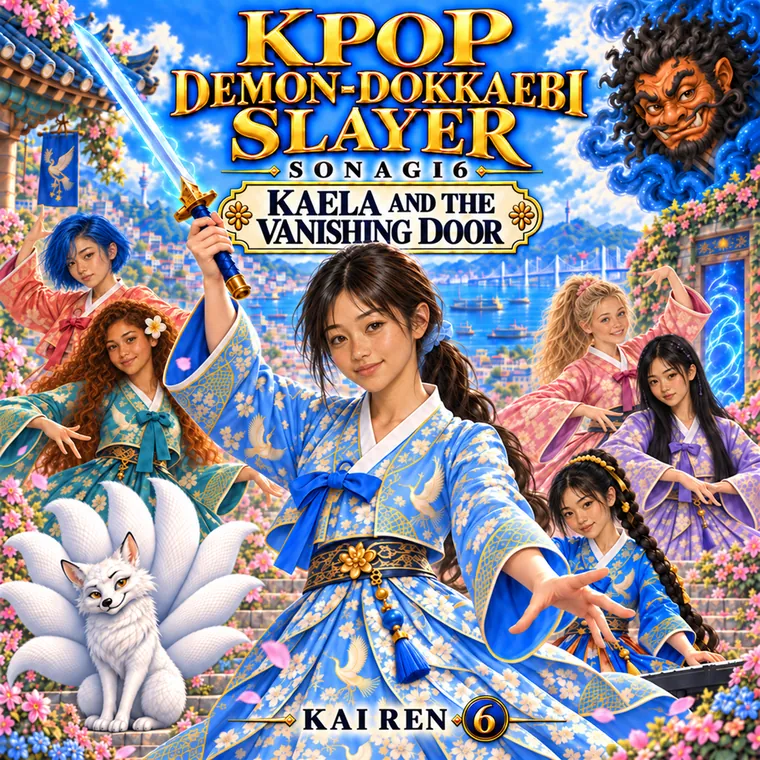
Sonagi6 Origins, the first rung. Every girl has her own book on every rung.
SONAGI6 · the five rungs
Read-aloud picture books. Each of the six girls meets the demon in her own city, with her own guardian, in twenty-two full-color spreads.
See the six coversRead-it-yourself chapter books. The same six adventures, told by each girl in her own voice, across fourteen short chapters.
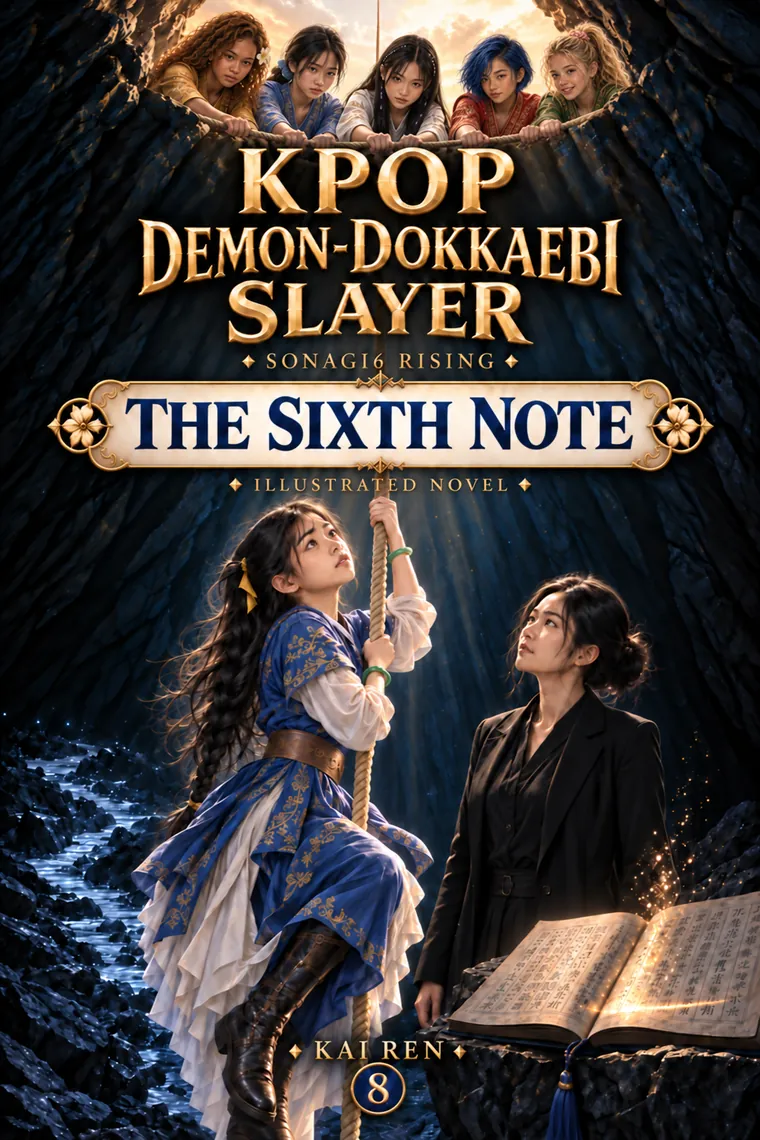
See the six coversMiddle grade novels. The group is older, the stakes are larger, and what they lose does not come back for free.
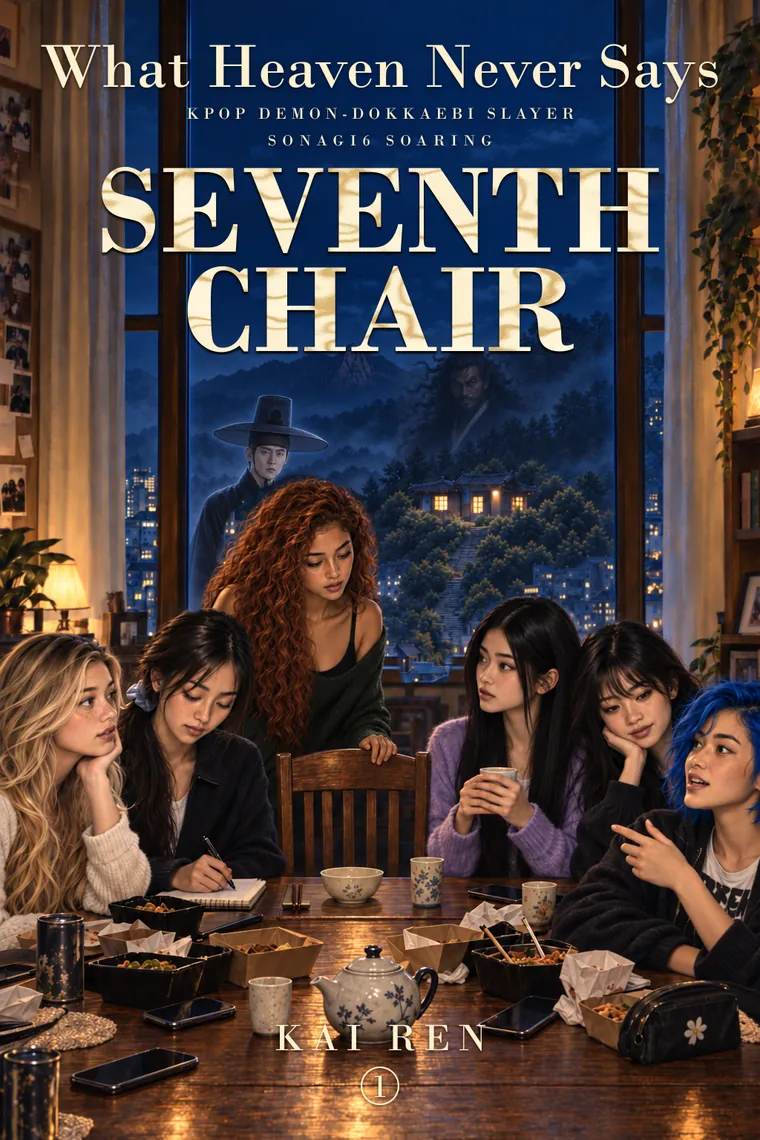
See the eight coversYoung adult novels. Six girls at the top of their debut year, and a seventh chair at every table.
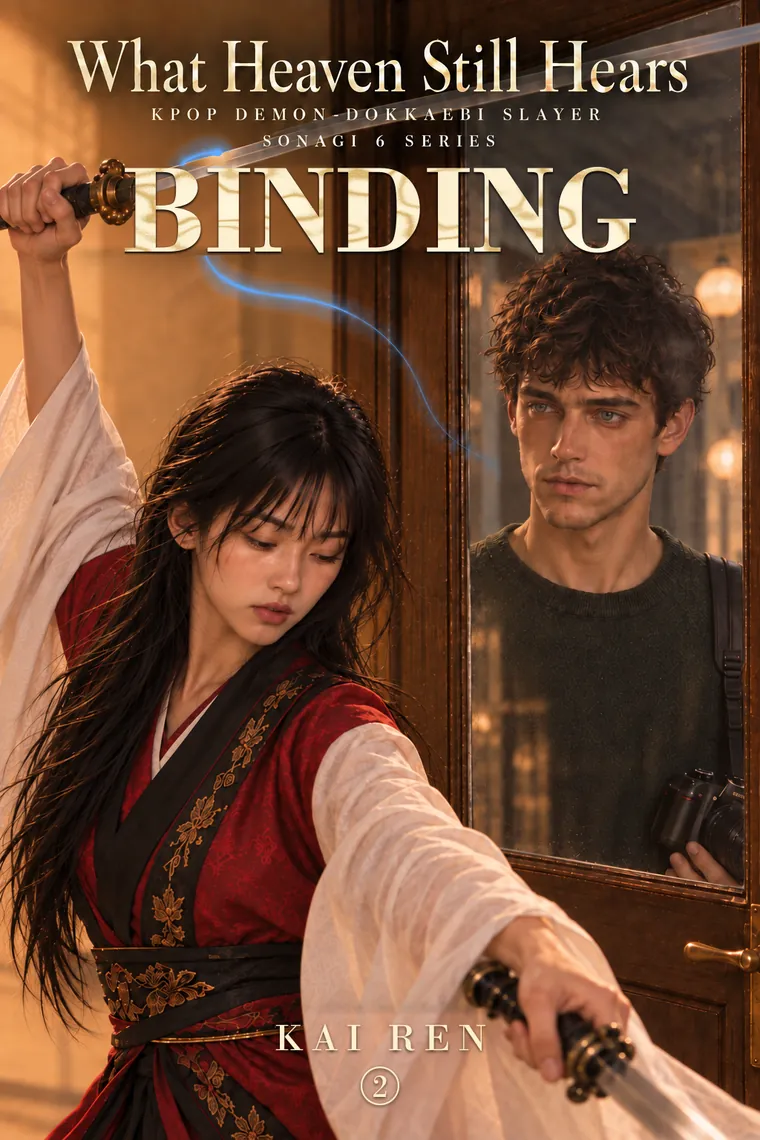
See the eight coversWhat Heaven Still Hears. Speculative literary novels. Six women who grew up together, and the lives they build once the stage is gone. This is the top of the ladder and the book the other four rungs were built to carry. A 2027 project.
See the eight coversThe first Origins and Waking volumes arrive for the Halloween season. Every book carries a free Backstage Pass for the grown-up reading along: coloring pages, Korean word cards, and a picture search to print at home.
Meet the six
Every girl grew up between two places, and every one of them is watched over by a figure out of her own family tradition. The guardians are not mascots. They are the reason each girl knows something the other five do not.
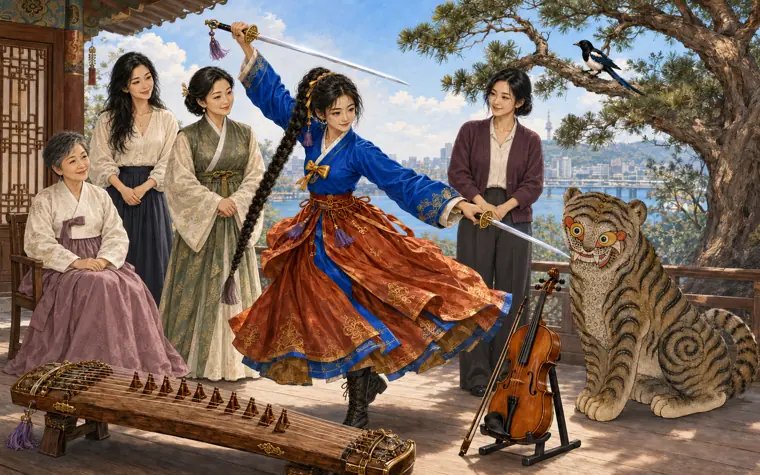 Seoul · Sanshin, Horangi and Kkattak
She plucks the gayageum, plays the viola, and performs geommu, the Korean sword dance. Sanshin is a mountain spirit who guides her. Horangi is their tiger, and Kkattak is the magpie who spots trouble first. Home is a beach house in ʻĀina Haina, and her Halmoni lives in Seoul.
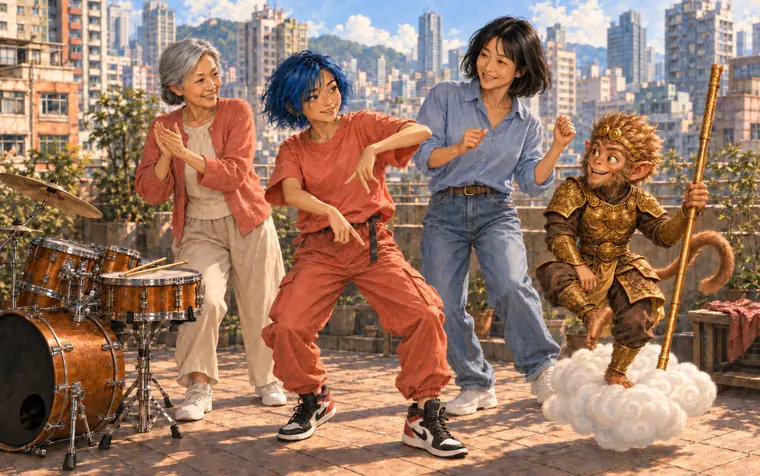 Hong Kong · Sun Wukong
Drums, rap and hip-hop steps, with ballet training underneath all of it. Her guardian is Sun Wukong, the Monkey King, and a quiet moment beside him may not stay quiet for long. Jordan grew up in Melbourne with Mattie. Her Po Po lives in Hong Kong.
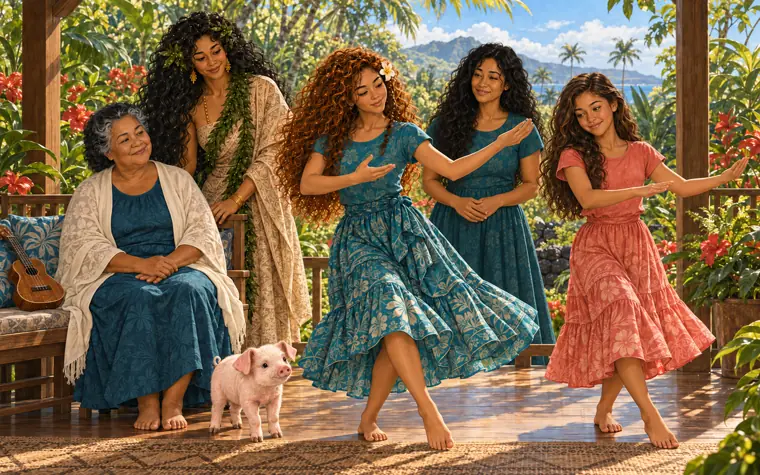 Hilo · Hiʻiaka
Lei sings, raps and plays the ʻukulele, and onstage she dances hula ʻauana. Her guardian is Hiʻiaka, and the two of them stand among the flowers in Hilo. Her Tūtū lives there, and the family has shared music since Lei was small.
 Stromness, Orkney · the Selkie
The violin is hers, and so is jazz dance. Her guardian is the Selkie, a seal woman with a cloak she can put on and take off again. Mattie grew up in Melbourne with Jordan. Granny Elspeth lives in Stromness, in Scotland’s Orkney Islands.
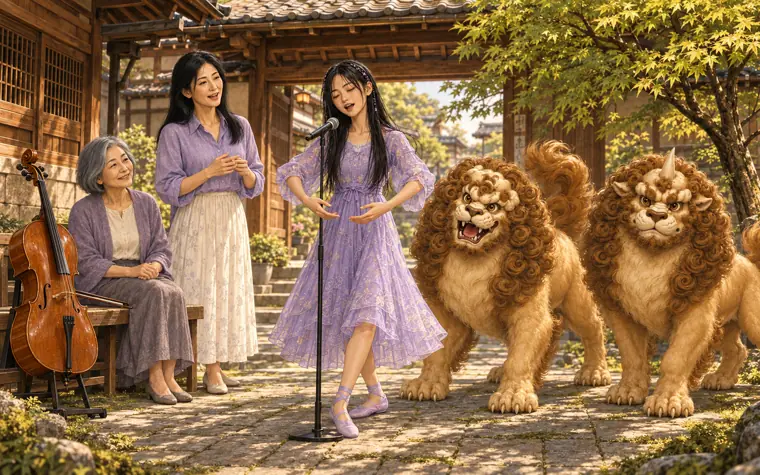 Kanazawa · First and Last
Aiko sings, plays the cello and dances ballet. Her guardians arrive as a pair, the way komainu always do: First and Last, two guardian lion-dogs. First has an open mouth. Last keeps his shut. Her Obaachan lives in Kanazawa.
 Busan · Tangles
Piano and keyboard, and she builds the music the group performs. She dances tap as well. Her guardian is Tangles, a gumiho, or nine-tailed fox, and with that many tails even sitting down becomes an adventure. Kaela’s Halmoni lives in Busan.
Each guardian has a longer story, and every girl has a printable prop to make at home. Both are in the free Backstage Pass.
The trouble behind the disguise
She is a gwishin, a spirit out of Korean storytelling. Most gwishin are only sad. This one is not.
He was a dokkaebi. Dokkaebi have been part of Korean folklore for centuries, mischief-makers who bargain, trade and play tricks, and far more often naughty than wicked. He was one of those, once.
The blue thread is hers. What it made of him is the demon the girls meet in every volume, and the reason he asks so politely before he takes anything. Why she did it is a question the six do not get to ask for a very long time.
Guardian stories for all six girls, Korean word cards, coloring pages and printable props.
In print now · The Living Memoir Series
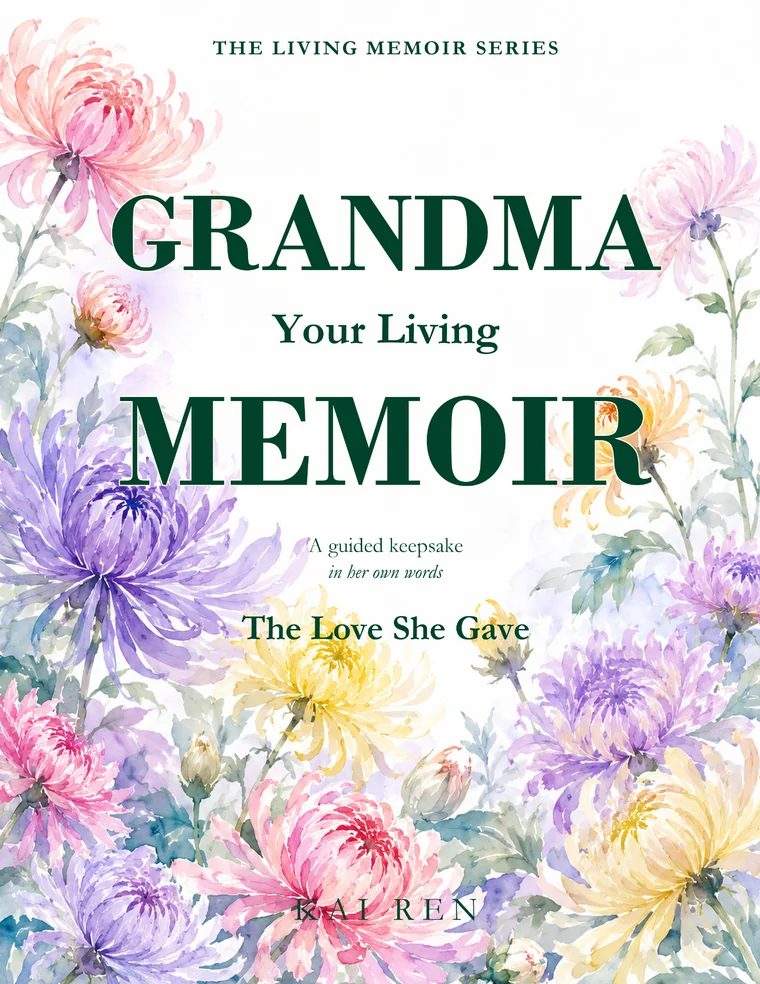
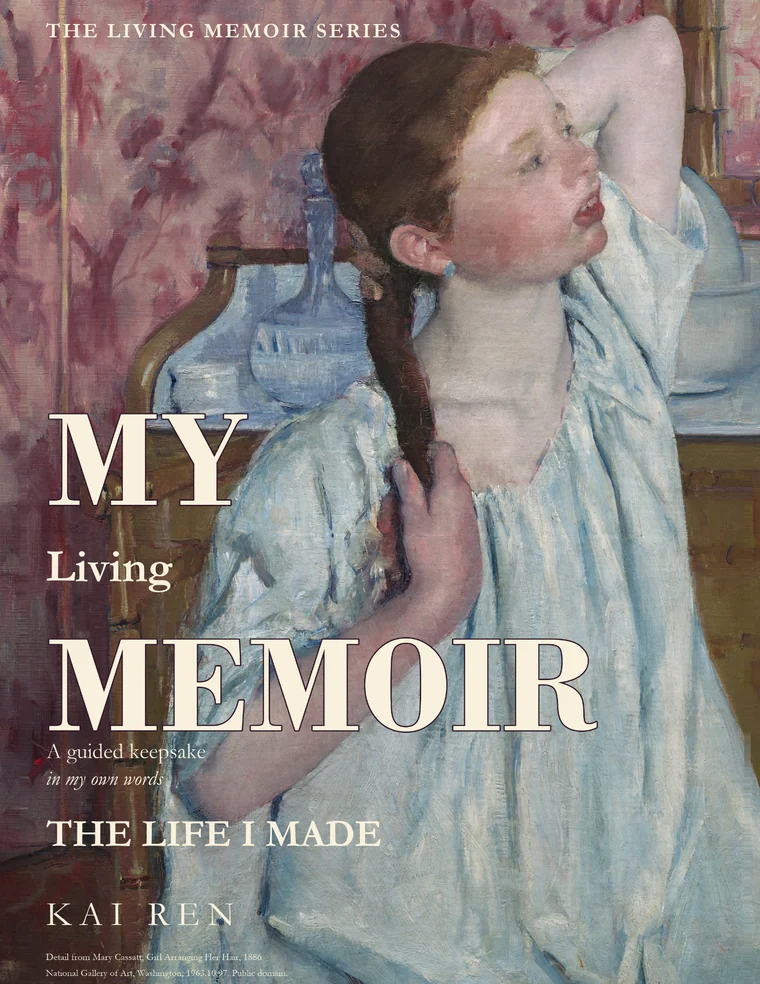
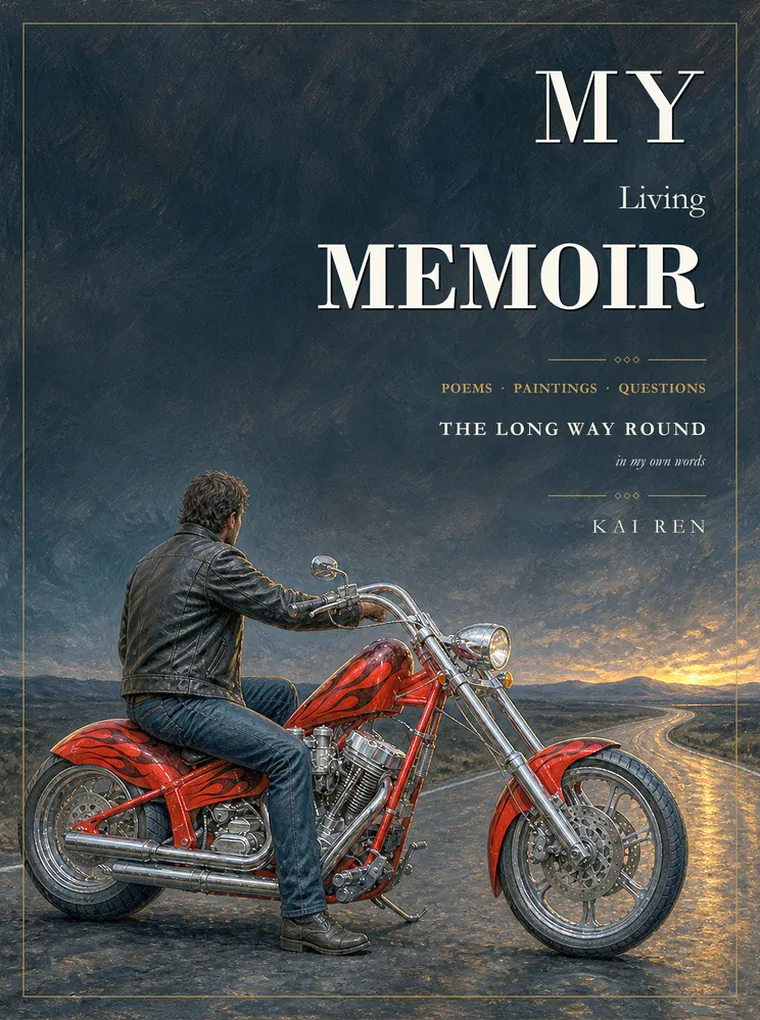
Twenty-three guided keepsakes in five editions. Every book holds the same complete interior. The cover is the choice.
A Living Memoir asks the questions, leaves room for the handwriting, and holds the photographs, so that the whole person behind the word Mom or Dad is written down in her own words rather than remembered in pieces. Paperback, hardcover and Kindle editions are on sale now.
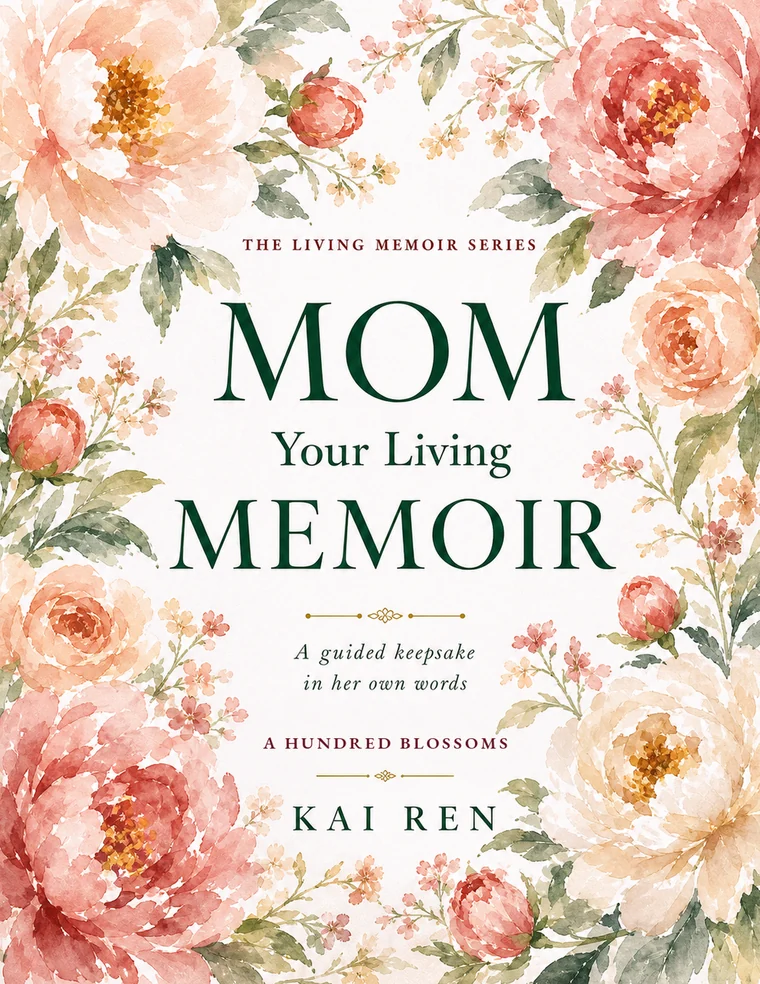
Six covers, from Van Gogh’s irises to a night-blooming cereus.
See the six covers
Five covers. One object each, drawn in a single line on a dark ground.
See the five covers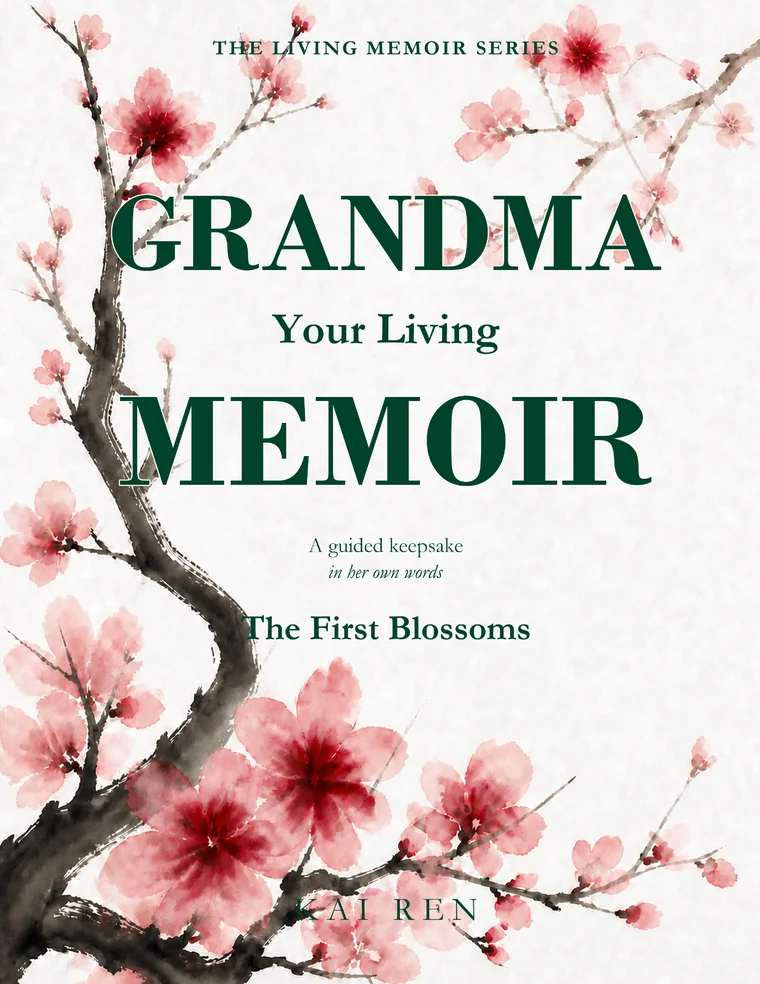
Five covers, from plum blossom in ink to Monet’s peonies.
See the five covers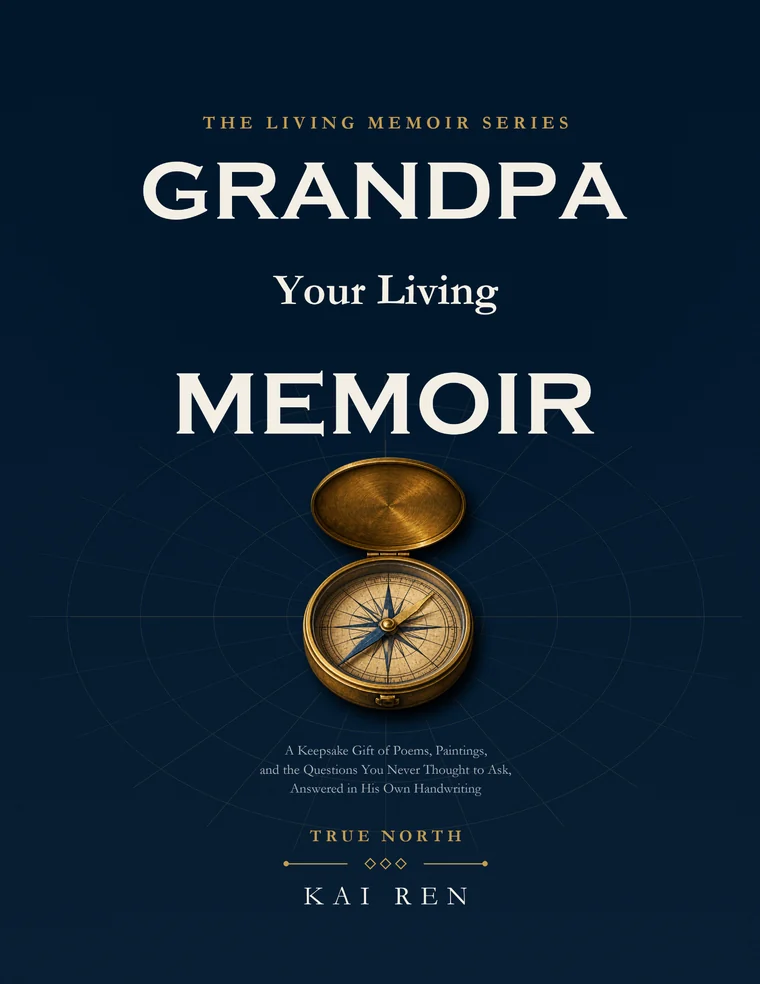
Three covers. A compass, a chess game, and a dock at first light.
See the three covers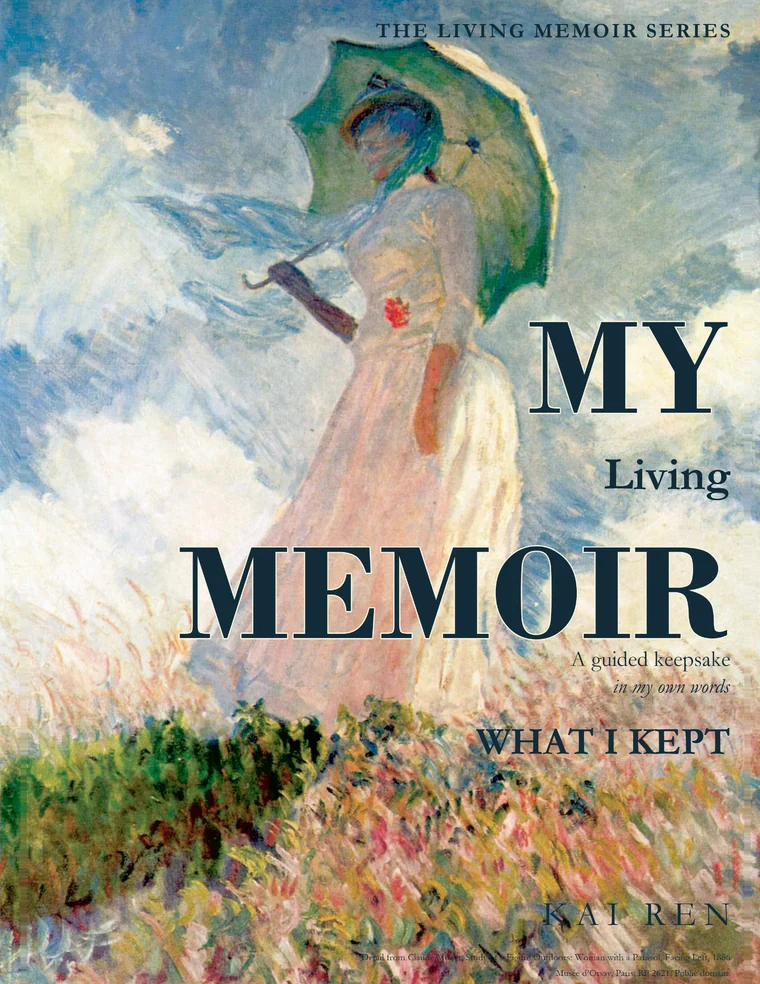
Four covers for writing your own. Cassatt, Renoir, Monet and Schjerfbeck.
See the four coversThe Studio
The divisions are related, but they are not one endless page. Each has its own purpose, products, and place on this site.
Heirloom memoirs, practical operating-system books, and original fiction.
Visit PublishingKRHomeOS and KRBizOS workflows that help carry the work without taking away judgment.
Visit SoftwareCourses, demonstrations, white papers, templates, and starter systems.
Visit EducationPoetic Pause, essays, video, and original music for the studio’s channels and worlds.
Visit MediaFuture implementation help for customers who want an experienced hand beside them.
Visit Agency SupportFounder, author & systems architect
Kai Ren entered Penn State as a double major in Piano Performance and Electrical Engineering. After decades building systems in engineering, government, contracting, business, and family life, she is returning to the music, art, and writing that were there from the beginning.